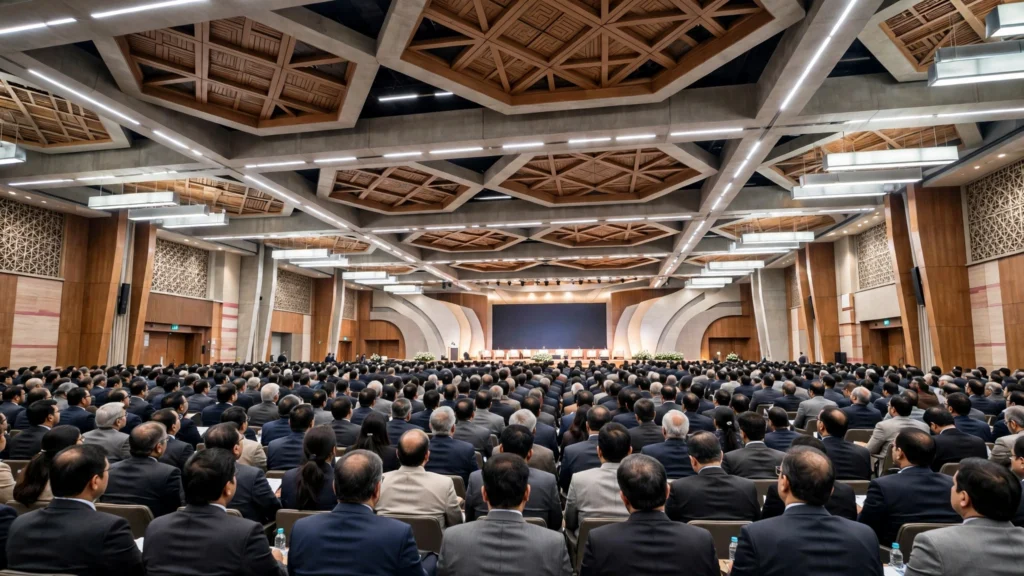
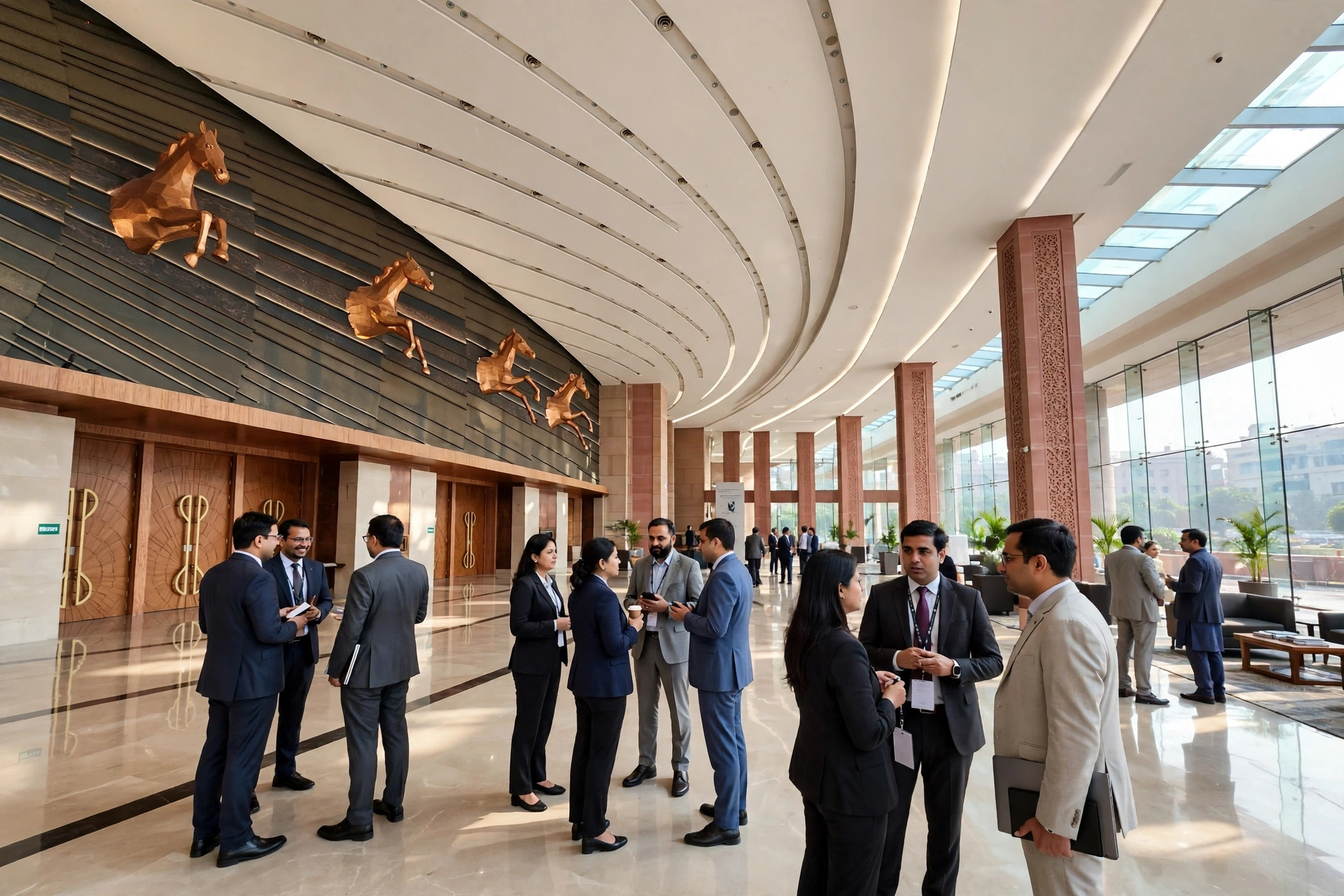
“Did you increase your employees’ salaries or hire more staff?” The question came from Prime Minister Narendra Modi, addressed to a room full of India’s top business leaders at Bharat Mandapam in New Delhi. The PM Modi FICCI salary hike moment became the headline of the day because it was so direct. After years of tax cuts and simpler refunds, the Prime Minister asked industry what it has done in return — on hiring, on wages and on investment. If you are waiting for a raise, looking for a job, or trying to understand where India’s growth story goes next, this speech matters. It puts the ball firmly in Corporate India’s court.
On Thursday, 19 November 2026, PM Modi addressed the FICCI Annual General Meeting and Annual Convention, held as part of the FICCI centenary convention at Bharat Mandapam. He urged industry to step up investment, hiring and salaries, and called for a mindset change to make India globally competitive. The tone was friendly. The substance was pointed: the government, he said, has done its part on taxes and ease of doing business. Now industry must show results that reach ordinary workers.
PM Modi FICCI salary hike question: what exactly did he ask?
Modi reminded the gathering of the tax changes his government has brought in, then asked what companies had done with the breathing room.
“Corporate tax has been reduced from 30% to 22%. Up to ₹12 lakh, there is no income tax. But has the industry increased hiring or increased salaries of employees?”
He put it in fuller terms as well:
“We brought the basic corporate tax rate down from 30% in 2014 to 22%, and today there is no income tax on earnings up to ₹12 lakh. Did you increase your employees’ salaries or hire more staff? We also simplified returns and refunds; unlike earlier, when it took eight months, refunds now arrive within a week.”
In short, the corporate tax 22 percent rate and the income tax 12 lakh tax free threshold were presented as part of a bargain. Lower taxes, faster refunds and simpler returns were meant to leave companies with more to invest — and more to share with the people who work for them. The question was whether India Inc hiring jobs and pay packets have moved in step.
To be clear, this was the Prime Minister asking industry to act. It was not an announcement that salary hikes will happen, and no industry commitment was reported from the stage. As CNBC-TV18 reported from the FICCI AGM, the question was asked plainly, in public, to the people who make those decisions.

Tax cuts given — now the ask is investment and a new mindset
Beyond pay and hiring, Modi urged industry to invest more and think globally. The tax argument sat inside a larger one: India has cut rates and simplified compliance, so companies should now think bigger and compete with the best in the world rather than settling for what is easy at home.
There was a wry aside too. On reforms, Modi noted how industry often turns the request back on the government: “For that, you say, ‘Modiji, woh aap karo'”. It captured the dynamic he wants to shift — away from waiting for the next government step, towards industry leading on jobs, wages and capacity.
He also kept the door open. “Send me in writing, without any hesitation or reluctance, which more reforms are necessary. The mind and doors of the government are both completely open,” he said. If there are genuine roadblocks, name them in writing. If not, get on with investing and hiring.
Don’t take a 140-crore market for granted
One of the sharpest parts of the speech was about quality. Modi warned industry not to take India’s 140-crore market for granted, calling out a “yeh maal toh bik jaayega” mentality — the assumption that anything will sell in a market this large. He urged companies to improve quality and match global standards.
A huge home market can make businesses comfortable. But comfort is risky. If Indian products do not meet global standards, they will struggle abroad and, as consumers get more choices, eventually at home too. In Modi’s telling, higher wages and more hiring do not come from charity. They come from companies that invest, improve, export and grow — then share that growth with their workforce.
‘India First’ for the next 20 years
Modi asked industry to rethink import dependence in pharma, minerals and metals, and said steel and aluminium should be produced more in India. On agriculture, he noted India’s share in global agriculture exports is only about 2 to 2.5 per cent and needs to change, calling for more investment in agriculture and food processing. His long-term frame was clear: “Industry should make ‘India First’ the basis of every long-term investment decision for the next 20 years”.
Respect wealth creators, and the growth backdrop
The speech was not only a prod to industry. Modi said farmers, small entrepreneurs, industry, wealth creators and taxpayers should be respected, not abused, and that the country cannot progress by abusing taxpayers. If wealth creators feel respected and rules feel predictable, they are more likely to invest and hire. He was speaking to both sides at once: to companies, do more for your people; to everyone else, respect those who build and fund growth.
To underline why industry should be bolder, he pointed to India’s position as the world’s fastest-growing major economy, with global institutions estimating growth of about 7 per cent. Merchandise exports were nearly $50 billion in October, the highest-ever monthly goods exports. At the centenary event, where he unveiled a commemorative postage stamp for FICCI, he recalled the Licence-Quota Raj, nationalisation and the ‘Fragile Five’ era, contrasting it with progress over the past 12 years and an unprecedented pace of poverty reduction. Read News18’s report on the FICCI event for the full context.
Conclusion
PM Modi’s FICCI address will be remembered for one question: after tax cuts, where are the jobs and the salary hikes? He pointed to corporate tax at 22 per cent, no income tax up to ₹12 lakh, and refunds within a week instead of eight months — then asked whether companies have hired more or paid more. Around that, he built a wider case: invest more, improve quality, cut import dependence, respect wealth creators, and make ‘India First’ the basis of decisions for the next 20 years. Whether companies now respond with higher pay and more hiring is still to be seen. The Prime Minister has asked, in public. Employees across India will be listening for the answer.
Read more
PM Modi FICCI Convention Salary Hike Corporate Tax Jobs in India
What did PM Modi ask India Inc at the FICCI convention?
PM Modi asked industry whether it has increased hiring or increased employees’ salaries after tax cuts, saying corporate tax has been reduced from 30% to 22% and there is no income tax up to ₹12 lakh. He urged companies to step up investment, hiring and salaries.
What tax changes did PM Modi mention in his FICCI speech?
He said the basic corporate tax rate was brought down from 30% in 2014 to 22%, there is no income tax on earnings up to ₹12 lakh, and returns and refunds have been simplified so refunds now arrive within a week instead of eight months.
Where and when did PM Modi address the FICCI convention?
PM Narendra Modi addressed the FICCI Annual General Meeting and Annual Convention, the FICCI centenary convention, on Thursday, 19 November 2026 at Bharat Mandapam, New Delhi, where he also unveiled a commemorative postage stamp for the FICCI centenary.
Did PM Modi promise that salary hikes will happen?
No. PM Modi asked industry whether it had increased salaries or hired more staff and urged it to do more on investment, hiring and wages. The speech reported his question and appeal to industry; it did not announce a guaranteed salary hike.

Ayush Choudhary is the Founder & Editor-in-Chief of The Brave India, where he covers India news, state news, local news and government updates. He leads the newsroom’s reporting on markets, technology, sports and public policy, with a focus on accurate, timely stories for readers across the country.