Sixty-two students from a school in Kottiyam were taken to hospital on Wednesday after complaining of nausea and breathing difficulties — and within a day, two state-level commissions had taken up the case on their own. The Kerala students hospitalised tar unit incident has put a familiar local dispute back in the spotlight: complaints allege that thick smoke and a pungent smell from a nearby tar-mixing plant left children unwell during school hours. Police say all the students are stable and none has a major health issue, but the exact cause has not been established.
The unit had been shut before after similar complaints, resumed after a court order, and is now shut again. Here is what happened, and what the two inquiries will examine.
Kerala students hospitalised tar unit incident: what happened on Wednesday
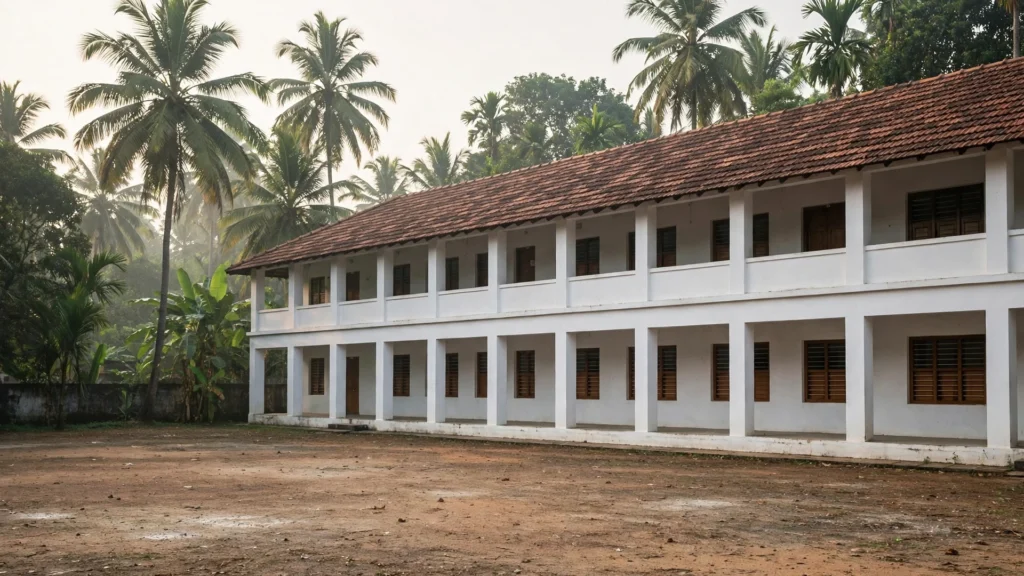
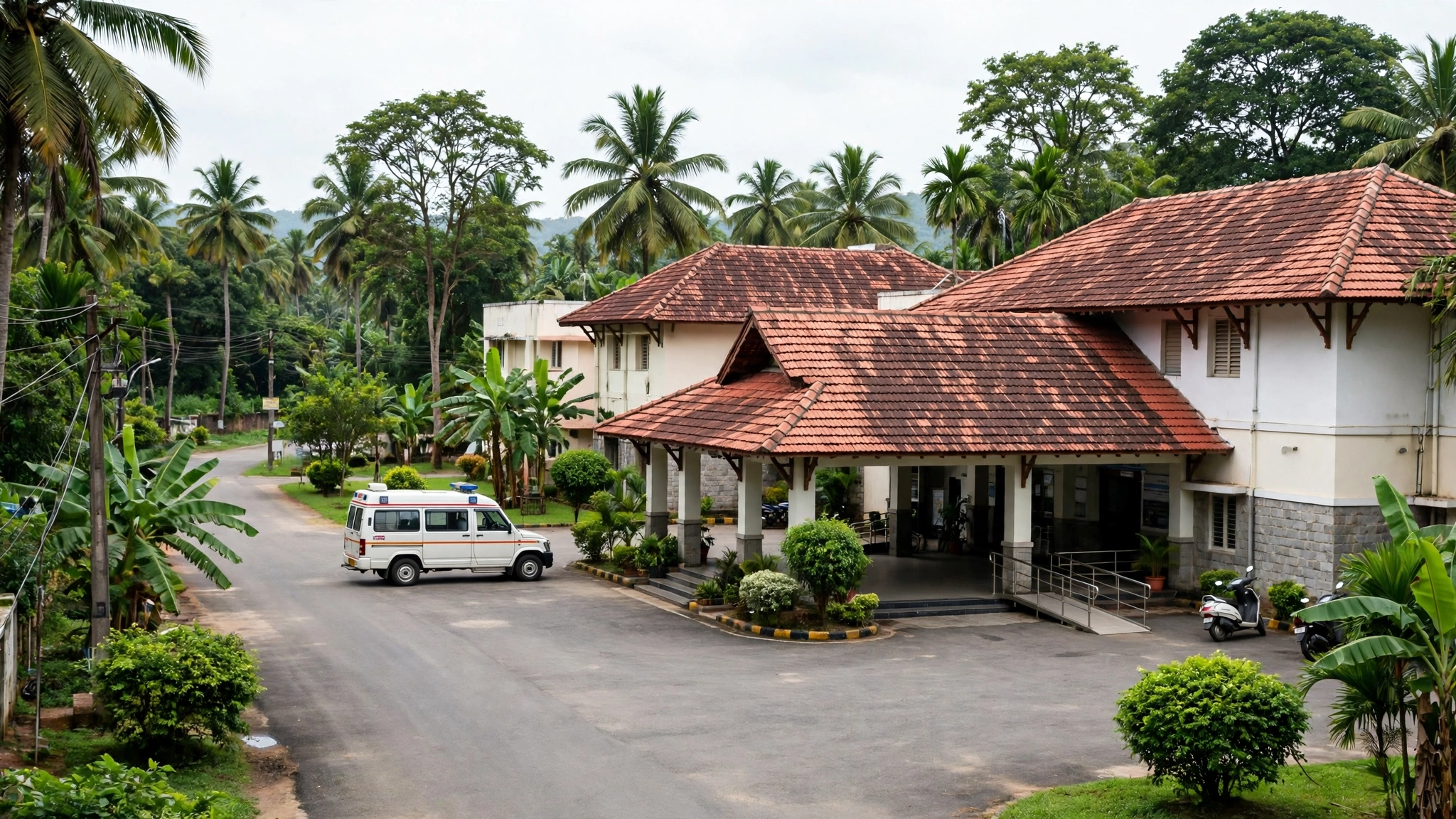
On Wednesday, 18 November 2026, 62 students of Auxilium School in Kottiyam, in Kollam district, were taken to a nearby hospital after they reported nausea, breathing difficulties and uneasiness, according to police. The students were from classes up to Plus Two.
A senior police official said many of the students complained of nausea and breathing difficulties, but none had major health issues and all were stable. The school suspended classes following the incident.
No student was reported to be in serious condition. Why so many children fell ill at the same time is the question the inquiries must answer — and so far, the cause is suspected, not established.
What complaints say about the smoke and smell
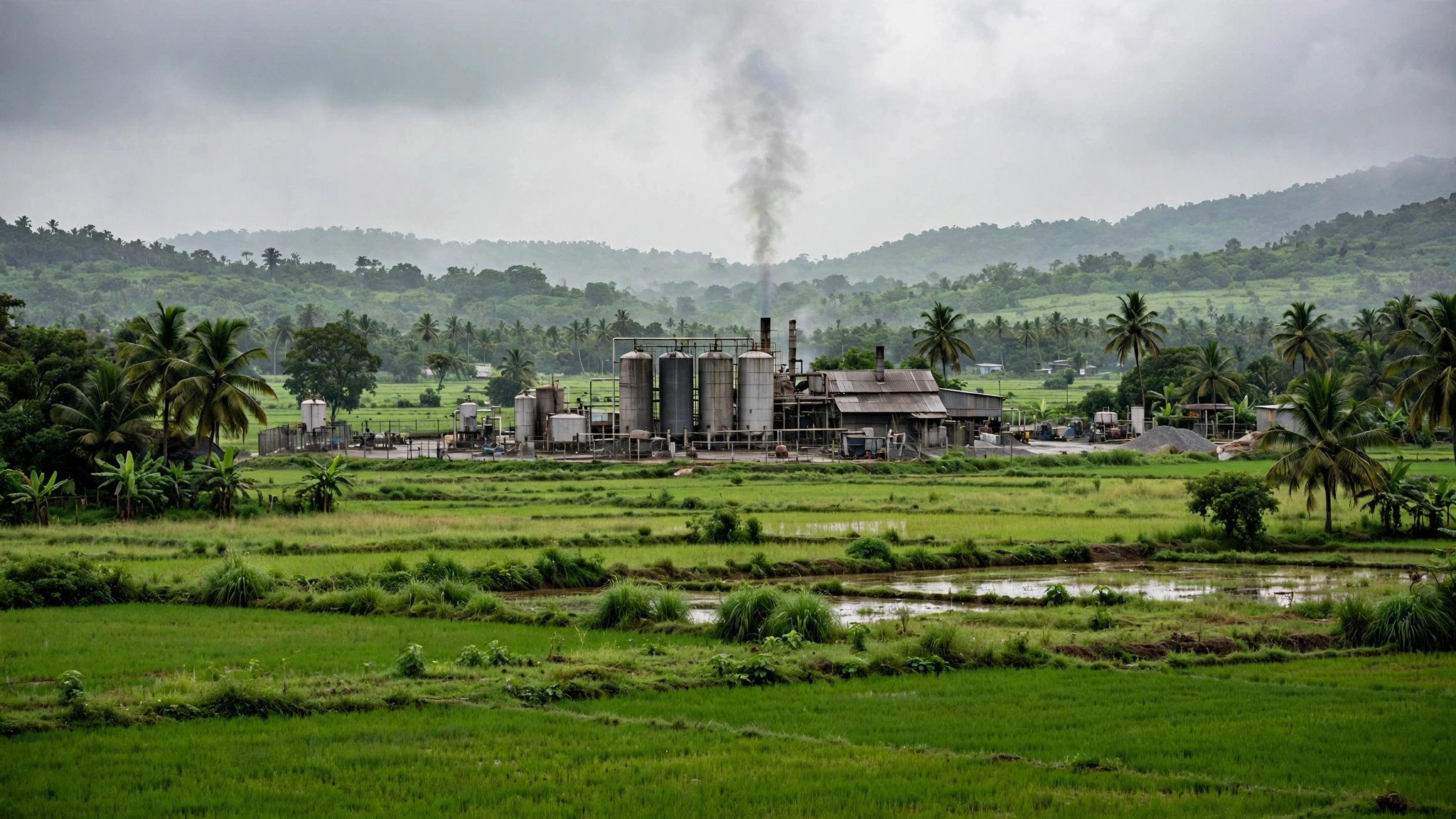
According to complaints, thick smoke and a pungent smell from a nearby tar-mixing plant caused discomfort to the students. That wording matters. The link between the plant and the children’s illness comes from complaints and local accounts; it has not been established by a medical or official finding.
Residents said the unit had been closed for over four months and had resumed recently — which is why the timing of Wednesday’s incident has drawn attention. Whether the resumption and the illness are connected is what investigators must test, not assume.
Why this is not the first complaint: the unit’s history
This is not the first time the unit has faced complaints. In an earlier, similar incident, students fell ill and residents protested. Following pollution complaints from residents, the panchayat issued a stop memo and the unit was shut.
The management then approached the High Court, which vacated the stay on the unit’s functioning, and the plant resumed work. After Wednesday’s incident, the unit was shut down again, a police official said. So the sequence is clear even if the cause is not: complaints, a shutdown, a court order, a resumption, fresh complaints, and another shutdown.
That history explains the anger in Kottiyam. For residents who had protested once, Wednesday looked like a repeat; for the management, the resumption followed a court order. Separating the two is the inquiries’ job.
Treatment and the official response so far
Minister Bindu Krishna directed the District Medical Officer to ensure specialised treatment for the students. A medical team was also instructed to visit the hospital and assess the children’s condition, NDTV reported.
The response has also drawn criticism. The DYFI held a protest march and blockade, protesting the alleged failure of the district collector and a senior official to visit the site. The protest underlines how quickly a school health scare becomes a question about whether officials showed up.
Two panels step in: the inquiries now under way
Two state commissions have taken suo motu cognisance — meaning they acted on their own, without waiting for a formal complaint. Their questions overlap, but their mandates differ.
Kerala Human Rights Commission inquiry
The Kerala State Human Rights Commission registered a suo motu case on Wednesday. Commission member V Geetha directed the district collector, the Pollution Control Board’s environmental engineer and the panchayat secretary to inquire into the incident and submit a report within 15 days.
That 15-day window puts the district administration, the pollution regulator and the panchayat on the same clock.
Kerala Child Rights panel case
On Thursday, 19 November, the State Commission for Protection of Child Rights registered a case suo motu, based on media reports. It has sought reports from a long list of officials: the Kollam District Collector, the District Medical Officer, the District Geologist, the Pollution Control Board’s Environmental Engineer, the panchayat secretary, the District Child Protection Officer, the school principal and the manager of the tar-mixing unit.
The panel is asking the health system, the pollution regulator, the local body and the unit itself to put their accounts on record — not just the school.
What is known — and what is not yet established
It helps to separate the two clearly. What is known: 62 students of Auxilium School, Kottiyam, were taken to hospital on Wednesday with nausea, breathing difficulties and uneasiness; police say all are stable with no major health issues; the school suspended classes; the tar-mixing unit was shut again after the incident; and two commissions have ordered inquiries, one with a 15-day reporting deadline.
What is not yet established: the exact cause of the students’ illness. Complaints allege that thick smoke and a pungent smell from the nearby tar-mixing plant caused the discomfort, and residents say the unit had only recently resumed after being closed for over four months. But no official or medical finding in the reporting so far establishes that fumes from the plant caused the illness. The allegations remain subject to investigation, and the unit’s management will have its account heard through the reports the panels have sought.
What happens next
The next two weeks will matter. The Human Rights Commission expects its report within 15 days. The Child Rights Commission is waiting on reports from eight officials and office-holders, from the District Collector to the unit’s manager. In the meantime, the unit stands shut, classes were suspended after the incident, and the medical team instructed by the minister is to assess the students’ condition.
For families in Kottiyam, the practical questions are simple: are the children fully well, what made them ill, and what changes before either the school or the plant returns to normal? The inquiries are designed to answer the second and third of those. Until they report, the honest position is the one the police and the commissions have taken — the students are stable, the complaints are serious, and the cause is yet to be established.
Wednesday’s scare in Kottiyam ended, on the medical front, with the outcome everyone hoped for: 62 children in hospital, but none in serious condition. Everything else about this story is unfinished. A unit that was shut, reopened by court order and shut again now faces two official inquiries, and a school community is waiting to learn whether the smoke and smell they complained about had anything to do with their children falling ill. That answer will come from evidence, not allegation — and it is now on a 15-day clock.
Read more
Kerala Students Kottiyam School Tar Mixing Unit Kollam News Child Rights Panel
For the full reporting behind this story, see NDTV: 62 Kerala school students fall ill, hospitalised after alleged pollution from tar unit and Mathrubhumi (PTI): Kerala Child Rights panel registers case over students falling ill near tar-mixing unit.
How many students were hospitalised in Kottiyam, and how are they now?
62 students of Auxilium School, Kottiyam, in Kollam district were taken to a nearby hospital on Wednesday, 18 November 2026, after reporting nausea, breathing difficulties and uneasiness, according to police. A senior police official said none had major health issues and all were stable. The school suspended classes.
Did fumes from the tar-mixing unit cause the students’ illness?
That has not been established. According to complaints, thick smoke and a pungent smell from the nearby tar-mixing plant caused discomfort, and residents said the unit had recently resumed after being closed for over four months. The exact cause remains subject to investigation by the two commissions.
Why was the tar-mixing unit operating again?
After an earlier incident in which students fell ill, residents protested and the panchayat issued a stop memo, shutting the unit. The management approached the High Court, which vacated the stay on the unit’s functioning, so it resumed work. A police official said the unit was shut down again after Wednesday’s incident.
What inquiries have been ordered into the incident?
The Kerala State Human Rights Commission took suo motu cognisance on Wednesday; member V Geetha directed the district collector, the PCB’s environmental engineer and the panchayat secretary to inquire and report within 15 days. On Thursday, 19 November, the Child Rights Commission registered a suo motu case on media reports, seeking reports from the District Collector, District Medical Officer, District Geologist, PCB Environmental Engineer, panchayat secretary, District Child Protection Officer, school principal and the unit’s manager.

Ayush Choudhary is the Founder & Editor-in-Chief of The Brave India, where he covers India news, state news, local news and government updates. He leads the newsroom’s reporting on markets, technology, sports and public policy, with a focus on accurate, timely stories for readers across the country.