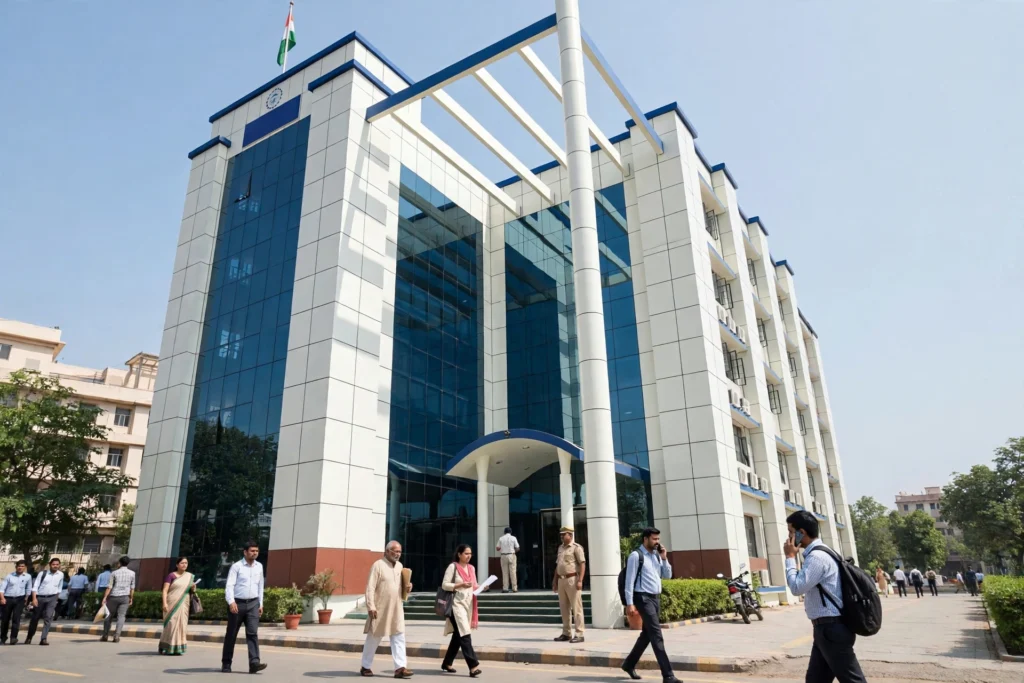
EPFO higher pension may cost Rs 1.1 lakh crore. Four years after the Supreme Court settled the question of provident fund pension on higher wages, the bill for that decision is finally coming into focus — and it is large. The Employees’ Provident Fund Organisation (EPFO) has told its Central Board of Trustees (CBT) that it may have to spend an additional Rs 1.109 lakh crore to pay higher pensions to about 4.45 lakh applicants.
That figure was placed before the CBT at its meeting on Thursday, 19 November 2026. For the lakhs who applied for pension on their actual wages rather than a capped salary, it is the clearest indication yet of what their claims could cost — and how far the process has got.
EPFO higher pension: The numbers at a glance
EPFO considered 15.24 lakh applications for higher pension. As on 13 November 2026, demand letters had been issued to 4,45,471 applicants, and pension payment orders (PPOs) had been issued to 1,51,874 pensioners. Demand letters are the step in which an applicant is told how much extra has to move into the pension fund; a PPO is the order that actually puts the pension into payment.
The gap between those two figures matters. Far more people have been told what they owe than have so far received a payment order, which reflects the stages a claim passes through — verification, calculation, demand, payment — when the numbers run into lakhs.
How the Rs 1.109 lakh crore bill adds up
The total additional liability is Rs 78,501.42 crore for 3,15,601 applications, according to the EPFO. The per-person liability is estimated at Rs 25.99 lakh for active members and Rs 23.14 lakh for pensioners, with an overall average of around Rs 24.9 lakh per person. Those are averages, not what any one person will get: the actual amount depends on the individual’s wages, service and contributions.
The larger figure — Rs 1.109 lakh crore — assumes approval of 100% of the applications for which demand notices were issued, that is, 4.454 lakh applicants. The EPFO has said the estimate “is likely to vary” if more employees, members or pensioners become eligible, particularly due to ongoing litigation. The final cost is not fixed.


Four years after the Supreme Court order
The story goes back to the Supreme Court judgement of 4 November 2022 on provident fund pension based on higher wages. That judgement opened the way for eligible employees and pensioners to seek pension calculated on their actual wages, rather than on the capped wage ceiling.
The facility to apply opened on 26 February 2023, and the member window closed on 11 July 2023. In that window, 17.49 lakh applications were received. About 99% of them have been processed, as reported to Parliament. Fresh applications are not open — this is about the claims already in the system, not a new round.
That timeline explains why the CBT is hearing the cost only now. The applications had to be received, checked and calculated before the EPFO could put a total liability figure before its board.
How higher pension actually works
The higher pension is based on actual wages. Under the scheme, 8.33% is contributed on actual wages, not on the capped wage ceiling of Rs 15,000 per month. On top of that, an additional 1.16% on wages above Rs 15,000 is borne by the member. The difference, with interest, moves from the member’s EPF balance to the pension fund.
That transfer is the heart of the demand-letter stage. Before a higher pension can be paid, the EPFO has to work out how much extra should have gone into the pension fund over the years, add interest, and move it across from the provident fund balance. Only then can the pension be recalculated on the higher wage.
It is also why the per-person figures are so large. A liability of around Rs 24.9 lakh per person on average reflects years of contributions on a higher wage, plus interest — not a single month’s pension.

A far smaller bill than once feared
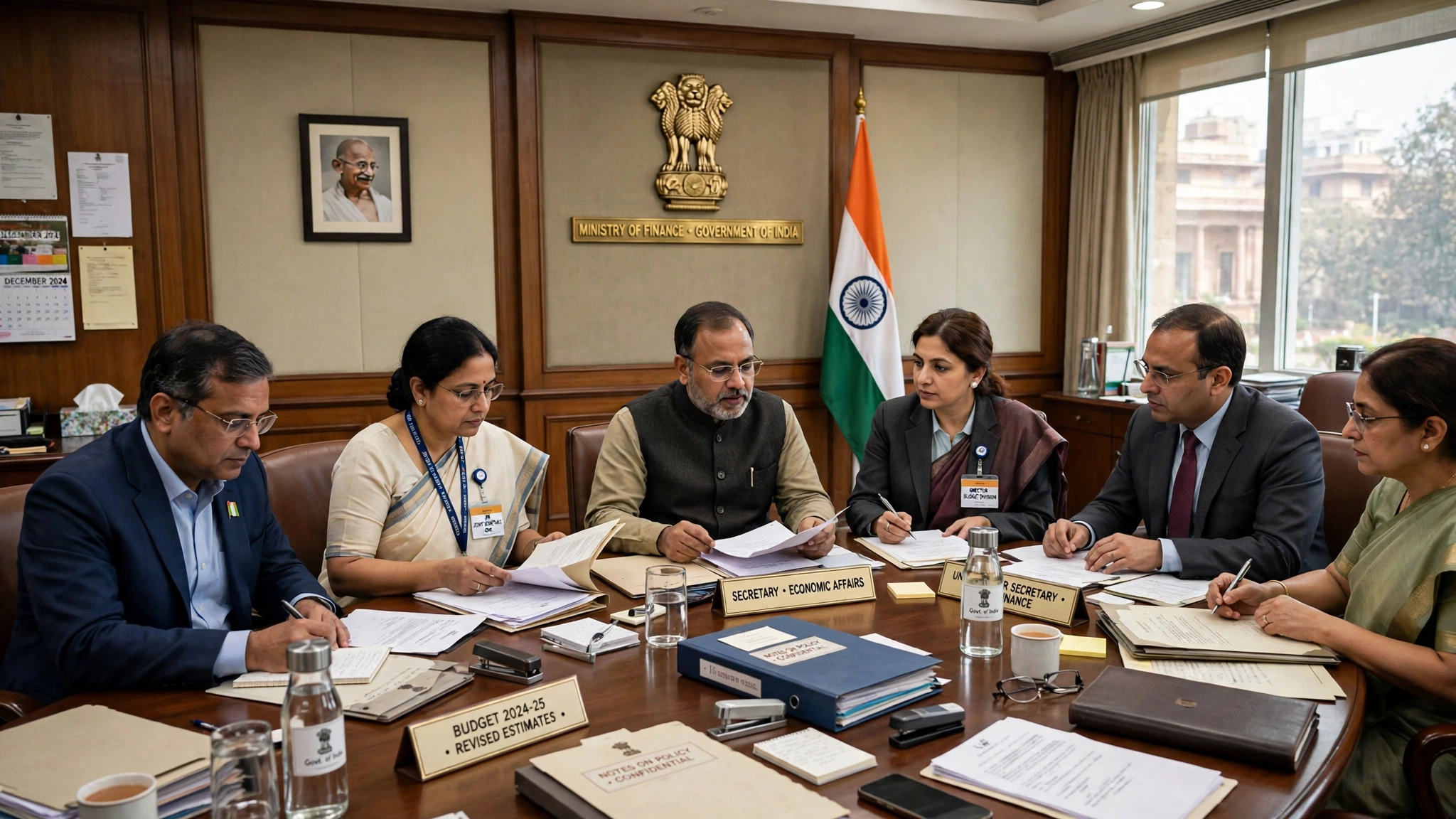
One comparison puts the new estimate in perspective. The Centre had earlier argued that the burden could reach Rs 10 lakh crore. The new EPFO figures put it far lower — Rs 1.109 lakh crore on the full-approval assumption, and Rs 78,501.42 crore on the applications so far costed.
That does not make the sum small — Rs 1.109 lakh crore is still an enormous liability for a pension fund. But it changes the scale of the debate: on the EPFO’s own numbers, it is roughly a tenth of the Rs 10 lakh crore once feared, subject to litigation and to how many more people become eligible.
For context on how retirement-related pay decisions are being watched more widely, the Odisha DA hike to 63 percent shows how dearness allowance changes are landing for government employees in the states. The full EPFO position is reported in The Hindu’s report on the higher pension cost.
What has not changed: the Rs 1,000 minimum pension
For all the focus on higher pension, one figure has not moved. The EPS-95 minimum pension remains Rs 1,000 per month. Pensioners have long demanded Rs 7,500 plus dearness allowance, but the government has told Parliament there is no such proposal.
That distinction matters, because the two issues are often talked about together. Higher pension on actual wages is for those who were eligible and applied within the window. A higher minimum pension would be a separate decision, affecting all EPS-95 pensioners — and, on the government’s statement to Parliament, it is not on the table.
Applicants waiting on their own claims should therefore watch the demand-letter and PPO stages, not the minimum-pension debate, for news about their case. A guide to who can apply and how the process works is available at The Financial Fleet’s explainer on EPFO higher pension eligibility and how to apply.
Conclusion
The EPFO’s message to its board is, at last, a concrete one: higher pension for about 4.45 lakh applicants may cost an additional Rs 1.109 lakh crore, with Rs 78,501.42 crore already costed for 3,15,601 applications. Demand letters have gone to 4,45,471 applicants and payment orders to 1,51,874 pensioners.
But the same message carries a warning. The estimate assumes every demand-notice case is approved, and it is likely to vary if more people become eligible, especially through ongoing litigation. For applicants, the wait is not over — but for the first time, the size of what they are waiting for is on the record.
Read more
FAQs
How much may higher pension cost EPFO?
EPFO has told its Central Board of Trustees that it may have to spend an additional Rs 1.109 lakh crore to pay higher pensions to about 4.45 lakh applicants.
How many higher pension applications have been processed so far?
EPFO considered 15.24 lakh applications. As on 13 November 2026, demand letters were issued to 4,45,471 applicants and pension payment orders were issued to 1,51,874 pensioners.
Can I still apply for EPFO higher pension?
No. The facility opened on 26 February 2023 and the member window closed on 11 July 2023, with 17.49 lakh applications received. Fresh applications are not open.
Has the EPS-95 minimum pension been raised to Rs 7,500?
No. The EPS-95 minimum pension remains Rs 1,000 per month. Pensioners have demanded Rs 7,500 plus dearness allowance, but the government told Parliament there is no such proposal.


Ayush Choudhary is the Founder & Editor-in-Chief of The Brave India, where he covers India news, state news, local news and government updates. He leads the newsroom’s reporting on markets, technology, sports and public policy, with a focus on accurate, timely stories for readers across the country.