For farmers waiting on Cauvery water in Tamil Nadu, Friday brought a clear answer from Delhi — and it was not the one the state had hoped for. The Supreme Court Cauvery Tamil Nadu plea seeking an urgent release of 11 TMC of water from Karnataka has been dismissed. Karnataka will not be directed, through these applications, to clear the backlog Tamil Nadu says has built up. This explainer breaks down what Tamil Nadu asked for, what the court decided, and what TMC, Billigundulu and CWMA really mean — in plain language, without the legal jargon.
The case is State of Tamil Nadu v State of Karnataka, the latest chapter in the long-running Cauvery water dispute Tamil Nadu Karnataka has argued over for decades, as reported by The Hindu BusinessLine, Bar and Bench and Live Law.
Supreme Court Cauvery Tamil Nadu plea: what the bench decided
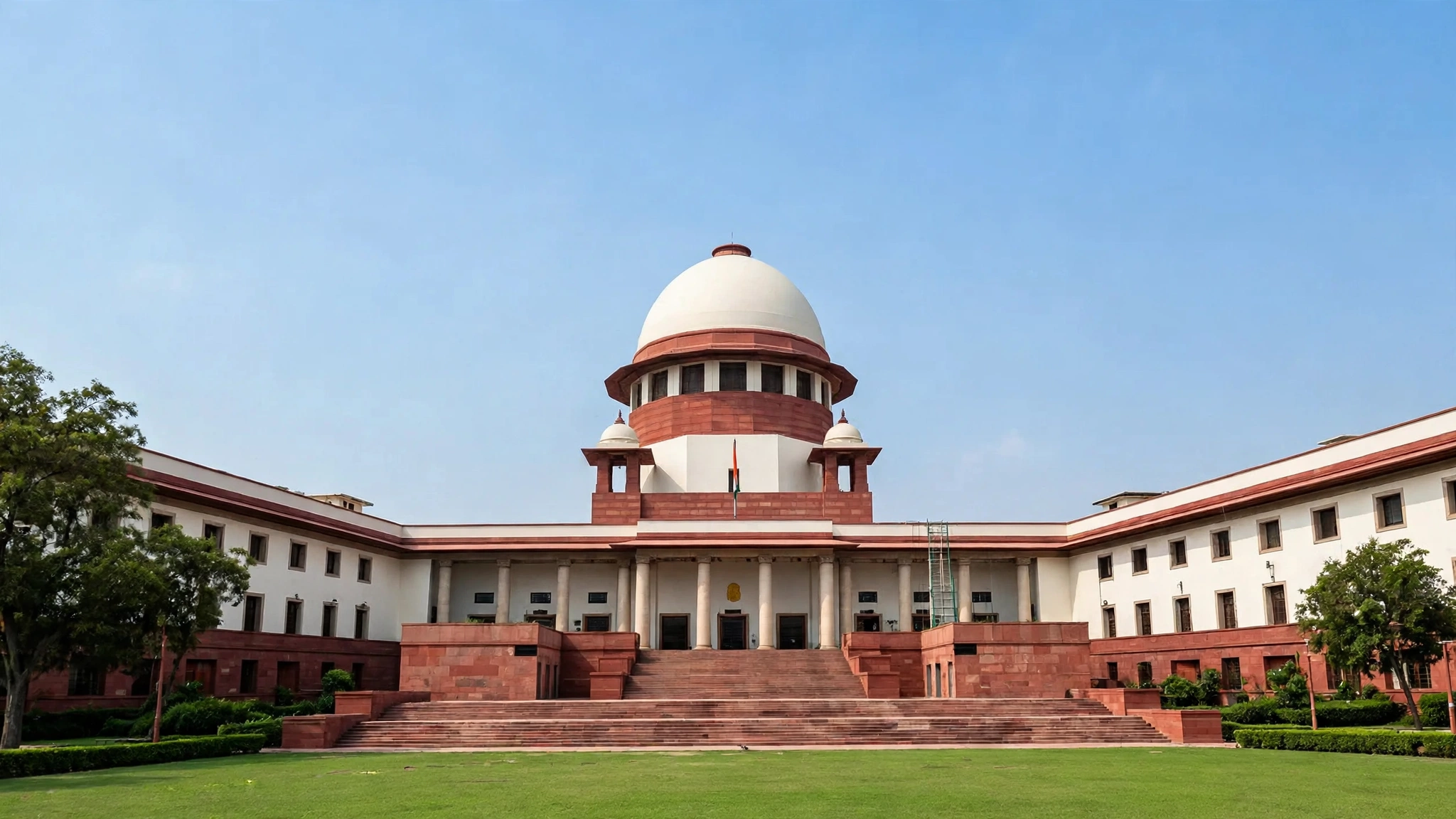
On Friday, 20 November 2026, a Supreme Court bench of Justices Vikram Nath and Aparesh Kumar Singh dismissed two applications filed by Tamil Nadu. Through those applications, Tamil Nadu wanted the court to direct Karnataka to release 11 TMC of Cauvery water.
The bench also indicated that a third Tamil Nadu application — for placing additional documents on record — would also be dismissed. In effect, all three applications in this round stand rejected, and no fresh direction for the 11 TMC Cauvery water release has been issued. The court had reserved its decision on 12 October, after hearing arguments earlier.
For readers tracking the litigation, Live Law’s report on the dismissal records the operative outcome, while The Hindu BusinessLine’s coverage carries the same result with background on the applications.
What Tamil Nadu asked for: 11 TMC in 10 days
Tamil Nadu’s request was specific, and it helps to read it slowly. The state sought clearance of a backlog of 11 TMC as on 7 October. It asked that this water be released at the rate of 1.3 TMC per day over 10 days, measured at Billigundulu.
So what is a TMC? It stands for thousand million cubic feet — the standard unit for measuring large volumes of river and reservoir water in India. One TMC is roughly 28.3 million cubic metres, so 11 TMC is a substantial release, not a symbolic one.
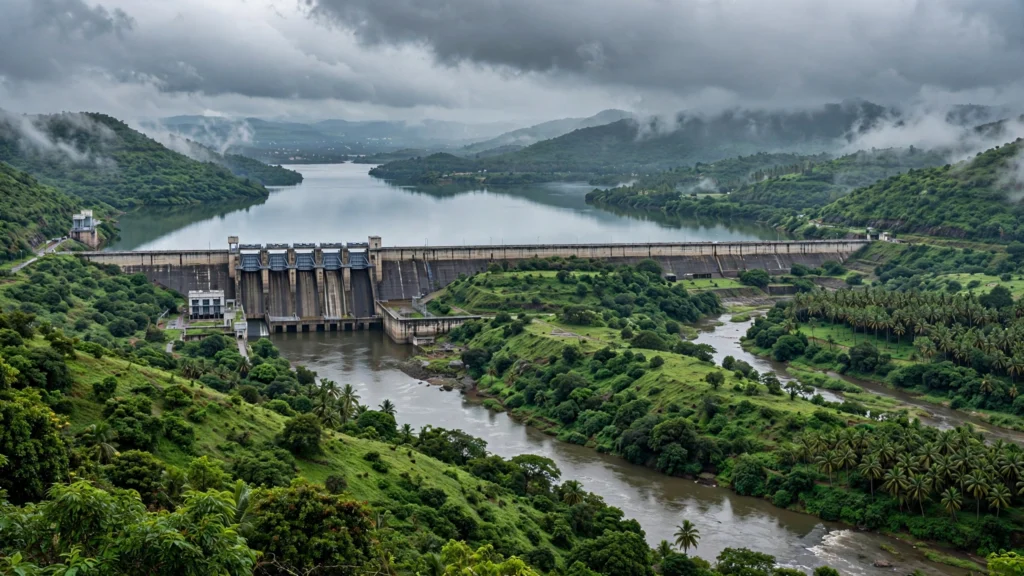
And Billigundulu? The Billigundulu measuring station Cauvery officials refer to is the checkpoint on the Tamil Nadu–Karnataka border where water flowing from Karnataka into Tamil Nadu is measured. It is where both sides can verify how much water actually crossed the border — which is why Tamil Nadu framed its request around daily releases measured there.

Why the numbers differ: 11, 11.719 and 16.01 TMC
If you have seen different figures in different reports, they are not interchangeable. The headline figure was 11 TMC — the backlog Tamil Nadu wanted cleared as on 7 October, at 1.3 TMC a day over 10 days. Separately, Live Law reported Tamil Nadu’s claimed shortfall as 11.719 TMC up to 6 October — its calculation of how much less water it received than it was due by that date.
A second BusinessLine report adds that Tamil Nadu had earlier claimed 16.01 TMC, later modified to 11.719 TMC. So 16.01 was the earlier version of the claim and 11.719 the revised one — not separate demands to be added together. The dismissal means the court has not accepted Tamil Nadu’s request for a directed release on that basis.
Tamil Nadu’s argument and Karnataka’s reply
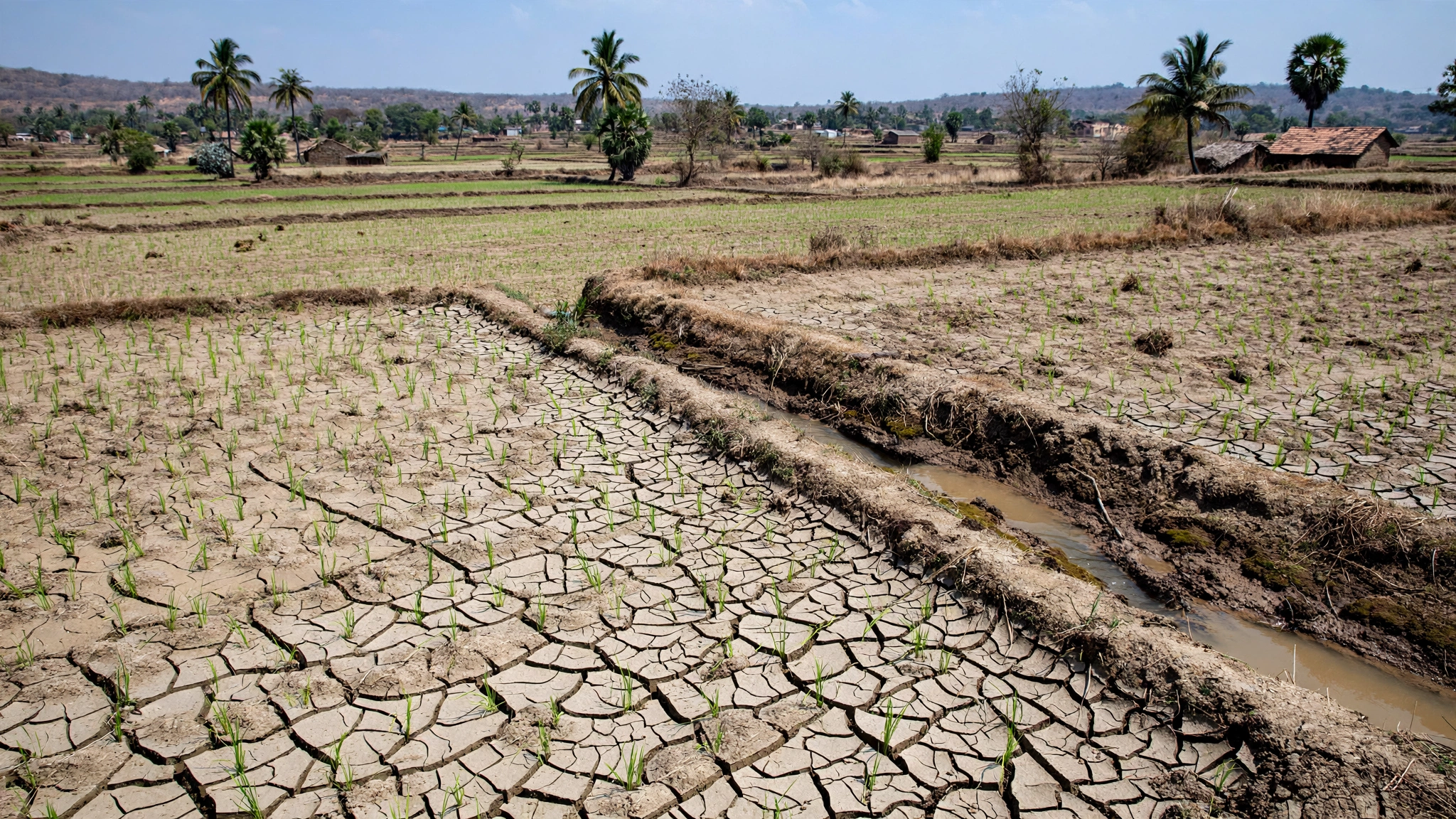
Tamil Nadu’s core argument, as reported by Bar and Bench from its August plea, was about rain and irrigation: this was a rain-deficient year, and the state was unable to supply irrigation water as needed. That is why it sought an urgent, court-directed release.
Karnataka denied the claim. Its position, as reported by Bar and Bench, was that it was complying with CWMA orders. So this was argued as a compliance question — had Karnataka released what it was supposed to, or was there a backlog needing a court direction?
CWMA is the Cauvery Water Management Authority, the body overseeing CWMA Cauvery water sharing — implementing the sharing arrangement and issuing release directions both states must follow. Karnataka’s stand was: we are following those directions, so there is no shortfall to correct. Tamil Nadu said a backlog existed. On Friday, the court dismissed Tamil Nadu’s applications and issued no such direction.
You can read the competing positions in Bar and Bench’s report on the rejection of Tamil Nadu’s plea.
A short background: the 2018 verdict
Friday’s order does not rewrite the sharing arrangement. That framework comes from the Supreme Court’s 2018 verdict, which reports note reduced Tamil Nadu’s share from 192 TMC to 177.25 TMC. Every release schedule and shortfall calculation since then is measured against those annual shares. Friday’s dismissal was narrower: whether Karnataka should be directed to release an additional 11 TMC for this period. The court said no.
A useful way to read future Cauvery headlines is to ask three questions. First, which period does the claim cover — a shortfall “up to 6 October” is not the same as an annual share. Second, where is the water measured — here, Billigundulu. Third, is the court being asked to change the sharing formula, or only to enforce releases under the existing one? Friday’s case was the second kind, and that is why it turned on CWMA compliance rather than on a fresh division of the river.
What this dismissal means — and what it does not
For Tamil Nadu, the immediate effect is clear: no court-ordered release of 11 TMC in 10 days at Billigundulu under these applications. Water will flow under the existing arrangements and CWMA directions, not the special schedule Tamil Nadu proposed. For Karnataka, its stand — that it is complying with CWMA orders — has not been displaced by a contrary direction in this round.
What the dismissal does not do is end the Cauvery dispute, or re-divide the river. It closes this particular request, on the record before this bench. The verified position is limited and clear: two Tamil Nadu applications dismissed, a third to be dismissed as indicated, decision reserved on 12 October and pronounced on 20 November 2026.
Conclusion
The dismissal is a setback for Tamil Nadu’s immediate irrigation argument, but it is best read as a compliance decision, not a new sharing formula. Tamil Nadu sought 11 TMC at 1.3 TMC a day at Billigundulu, citing a rain-deficient year and an 11.719 TMC shortfall (revised from 16.01 TMC). Karnataka said it was following CWMA orders. Justices Vikram Nath and Aparesh Kumar Singh dismissed the applications. For now, the existing framework governs — and both states will keep watching every TMC measured at the border.
Read more
Supreme Court Cauvery
Tamil Nadu Karnataka
Cauvery Water Dispute
Billigundulu
CWMA
What did the Supreme Court decide on Tamil Nadu’s Cauvery plea?
On Friday, 20 November 2026, a bench of Justices Vikram Nath and Aparesh Kumar Singh dismissed two Tamil Nadu applications seeking a direction to Karnataka to release 11 TMC of Cauvery water. The bench also indicated that a third application, for placing additional documents on record, would also be dismissed. The case is State of Tamil Nadu v State of Karnataka, and the decision had been reserved on 12 October.
What exactly was Tamil Nadu asking for?
Tamil Nadu sought clearance of a backlog of 11 TMC as on 7 October, to be released at 1.3 TMC per day over 10 days at the Billigundulu measuring station on the Tamil Nadu–Karnataka border. Live Law reported Tamil Nadu’s claimed shortfall as 11.719 TMC up to 6 October, while a BusinessLine report noted an earlier claim of 16.01 TMC that was later modified to 11.719 TMC.
What do TMC, Billigundulu and CWMA mean?
TMC means thousand million cubic feet, the unit used to measure large volumes of river water. Billigundulu is the measuring station at the Tamil Nadu–Karnataka border where Cauvery releases into Tamil Nadu are measured. CWMA is the Cauvery Water Management Authority, the body that oversees implementation of the water-sharing arrangement and issues release-related directions.
What were Tamil Nadu’s and Karnataka’s arguments?
Tamil Nadu argued, as reported from its August plea, that this was a rain-deficient year and it was unable to supply irrigation water as needed. Karnataka denied the shortfall claim and said it was complying with CWMA orders. The Supreme Court dismissed Tamil Nadu’s applications and did not direct the additional release.


Ayush Choudhary is the Founder & Editor-in-Chief of The Brave India, where he covers India news, state news, local news and government updates. He leads the newsroom’s reporting on markets, technology, sports and public policy, with a focus on accurate, timely stories for readers across the country.